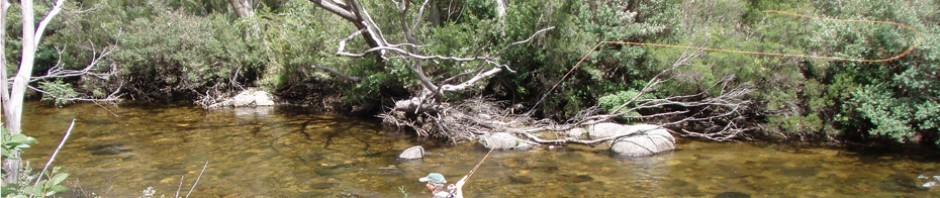
I found this on the Canberra Fishing Network Facebook Page (you may need to subscribe?) https://www.facebook.com/share/p/1NNyL4RZo6/
Not sure I agree with everything, but some good advice here.
These are all the things that people rarely tell you, and that I had to figure out through obsession and dedication:
Look for life! Bugs, birds, frogs, tadpoles, any life indicates a food source. “Matching the hatch” comes from trout fishing. Meaning you match what the fish are feeding on.
Fish are lazy! All animals seek to expend the least amount of energy. Trout use slip streams to hold them in place at the edge of current and only duck out of their position to eat, but they often won’t go far. All fish do this. When using woolly buggers or small soft plastics for carp, they are so lazy that you have to drag the lure across their nose – I found this out from a video where the narrator indicated a dinner plate sized target in front of the fish to aim for. Ocean fish like tailor, tuna, and barracuda are built for speed due to their environment. The rules for them are different, and faster retrieves are better. Fresh water fish are the opposite. Whether using spinner baits, lipless cranks, soft plastics, or bibbed lures for perch (golden perch or redfin) you need to cast deep into snags where they live. You often won’t get a strike out of hunger, but from aggression at the invading lure – Same goes for Murray cod.
Golden perch will hang on structure like submerged trees, docks, rock formations, sunken trash, overhanging willows, etc. Black mountain peninsula is a great example of this on both sides. Redfin, on the other hand, are a schooling species. They move constantly in search of food. If you hook one, keep casting in the same spot, and you’ll likely catch more until they move on or you catch the entire school. Redfin are aggressive fish, and they’re probably the easiest to target with golden perch and carp serving as bycatch. I mostly use an American lure called Crappie Thunder for Redfin – they can’t resist them – but small grub plastics work as well. Blades, Mason spinners, and small oargees also work. If you’re hunting Redfin, you need to cover ground. Fan cast in a spot, then move and repeat.
Fish have no eyelids! Direct sunlight impairs their vision, and they can’t squint! You should cast into the sun and retrieve away from it. Freshwater fish are also more active between dusk and dawn. This is when they hunt and don’t have to hide as much from predators – another reason they lurk in cover and around structure. Midday is the worst time to fish, but it doesn’t mean you won’t catch anything.
Lure colour matters! Silhouette is important! Different colours disappear at different depths. If you’re fishing deeper water, use purples, deep blues and blacks, as they cast a stronger Silhouette for fish to see. Brighter colours can be more visible in murky shallow waters.
Hook size is important for each species! For carp, you want a small hook that fits max 3 corn kernels on the shank, and leaves the point exposed. Although, it’s best to use a hair rig for carp, as the hookup rate is better, given they chew on their food and spit it out to sift debris. Also use expensive brand named hooks, like gamagatsu or owner. With the small size, you need them to withstand the pull of bigger carp. For any species, a smaller hook is better so it’s inconspicuous, but some fish have larger mouths and differing feeding habits that permit larger hooks.
Braided line is fairly essential! While mono is usable as main line, line stretch over time means you need to respool more often, and you have less casting distance. Braid is a pain in the ass requiring backing, the braid, and a leader, but it will change the fishing experience when you can fish way smaller diameter line. The lads at Boss outdoor should be able to help with setup. You want some stopping power, but not too much. There is a balance you must find between line strength and the target species. I use 6lb braid on trout/Redfin rods, 12lb on my Perch rods, 25lb on my carp rods, and 60lb on my cod rods. Thin line casts small lures better and is less likely to spook small fish. The odd setup is my carp rods. Although 30lb main line, I use 12lb vanish flourocarbon leader. Why? Because carp don’t care about the main line, I often only cast 5 ft from the bank, and you could hook anything from a 1lb carp to 20lb carp.
If you’re cod fishing, upgrade the hooks on your lures to owner! When you finally hook a cod and it bends even the expensive hooks, you’ll understand why.
Hooking up is great, but you need to land the fish! Good lip grips are essential, as well as knowing how to use drag. Drag is the finesse in the sport. You want it set different based on species. Trout and Redfin, I set it super light – about 50% breaking strain of the leader (the weakest part of the rig). You should never go beyond 75% breaking strain, but this takes practice to know how to adjust it when fighting a fish. Practice makes perfect, and watching pros helps to get an idea.
If a lure isn’t working, try something new! Sometimes, the fish just don’t want what you’re throwing. Have a small range of lures/baits on hand that cover the target species. For carp, any corn kernels will do, but Edgell sweet corn drives them mad for some reason. You also may be casting way too far out. I use two rods when carp fishing, and one usually has powerbait and the other corn. Before I cast, I open a tin and throw a few fist fulls of corn into the water where I’m fishing. I then cast into that zone and experiment with distance. I don’t know if you’ve ever thrown a fist full of corn, but it doesn’t go very far. I also pour the corn juice into the water. You can use bread, dough, boilies, and other bait for carp as well, but I find it attracts the birds. Jelly crystals, aniseed, dog food, and eggs also work as Burley, but it’s all too complicated when corn does the trick.
I mentioned structure before, but you should seek it out! Drop offs, hanging trees, sunken anything. You can also look at the bank as an indication of what lies beneath the surface.
For lures, retrieve matters! Again, fish are lazy! It’s often said that you should retrieve as slow as you can, then go a little slower. I’ve caught golden perch around the Ginninderra bridge on smaller oargee lures, and if you seen how I was using them, you would’ve thought I had no idea what I was doing. I was often letting the sit floating on top of the water for 10-15 secs at a time before slowly cranking them to touch the bottom and float back up again. But golden perch will wait underneath the lure right until it’s at the bank before they strike. If you’re wearing polarized sunglasses, you can experience the fright if seeing their face appear through the murk behind the lure. But if you don’t hide, they’ll just swim away without striking. Polarized sunnies are a must! This goes double for Redfin. Especially using soft plastics. Low and slow with pauses along the bottom around Yarralumla Bay at dusk or dawn is great fun. The moored yachts hold a lot of fish as well, but you need a kayak or boat, and it’s rude to cast at them.
I’d recommend your son focus on soft plastics for Redfin and corn for carp. Buy him a decent rod (2-4kg), a decent reel (set the drag tight and loose and twist it to test for smoothness and a metallic clink – cheap reels suck), buy premium hooks, and zman or bait junkie plastics – you want a variety of colours and tail types, dark, bright and natural colours, paddle and curly tail, swim bait and grub sized, with light, medium m, and heavy jig heads. Don’t worry about other lures until he masters them – it will save you money! And, once he masters Redfin, he can apply the same principles to cod and Perch. The same setup can be used for carp, but there’s a reason I have 20 different rods. You only need two for now.